

What Makes A Record Player High End, And What’s Just Expensive
“High end” is one of those phrases that can mean everything and nothing at the same time. It gets used for a $200 Bluetooth turntable with a glossy finish, and it also gets used for reference-grade systems that cost as much as a kitchen remodel.
The useful way to think about high end is not as a price tier, but as an engineering standard. A genuinely high-end record player reduces vibration, maintains speed stability, tracks a groove accurately, and turns that mechanical information into a clean electrical signal without adding noise of its own.
If you’re approaching the purchase like a design decision, the goal is even clearer. You’re not just buying a component, you’re buying an object that will live in a room, take up visual space, and influence how you listen day to day.
What High End Actually Means In A Turntable
Start with the plinth, because it sets the tone for everything that happens above it. The plinth’s job is to be dead, absorbing vibration instead of transmitting it, and cheap bases made from thin plastic or lightweight MDF tend to resonate in ways you can actually hear as haze and muddiness.
Better turntables use thicker materials and damping layers, and the best designs treat resonance control as a multi-layer composite problem rather than a styling choice. If the base vibrates, the stylus doesn’t politely ignore it, because it reads vibration the same way it reads music.
The platter is the next tell. A heavier, more stable platter helps maintain consistent speed and reduces ringing, while thin stamped platters can wobble and add subtle mechanical noise that flattens detail.
Material matters here in a practical way, not just a luxury way. Acrylic, aluminum, and glass platters tend to behave more predictably than lightweight metal, and the way the record couples to that surface changes whether the system feels calm or slightly restless.
Then there’s the motor and the drive system, which is where “expensive” can easily turn into performative. Belt drive often isolates motor vibration better for listening, high-end direct drive can be excellent, and the real question is whether the motor is decoupled from the plinth so its vibration doesn’t travel straight into the stylus.
A tonearm is where the whole experience becomes either precise or slightly compromised. Bearing quality, rigidity, and adjustability determine whether the cartridge tracks the groove accurately, and a mediocre tonearm can make a great cartridge sound like it never got a fair chance.
Cartridges are where the record becomes signal, which is why the cartridge and stylus matter more than most casual buyers expect. Moving magnet cartridges tend to be more approachable and replaceable, moving coil cartridges can deliver more detail and transient response when paired with the right phono stage, and stylus profiles move from forgiving to information-rich as you climb from conical to elliptical to advanced shapes like microline and Shibata.
Where The Money Actually Makes A Difference
If you want the simplest rule that holds up across price points, it’s this: the biggest audible improvements usually come from the cartridge and the phono preamp. A thoughtfully chosen cartridge on a modestly priced turntable often outperforms a mediocre cartridge on a pricier deck, because the conversion point is where the sound is born.
After that, the next tier of real value is vibration management. A mechanically quiet turntable with a damped plinth, a stable platter, solid bearings, and an isolated motor creates a calmer foundation that lets the cartridge do its job without interference.
This is also where you start separating engineering from theater. Exotic materials can look stunning, but if they exist primarily to signal luxury rather than improve isolation or stability, you’re paying for a feeling more than a measurable sonic change.
There’s a practical “sweet spot” in the market that many listeners land in, where quality is high and compromises are minimal, but prices haven’t reached the realm of diminishing returns. Above that, improvements become more incremental and more dependent on the rest of the system, which is not a bad thing, just a different kind of purchase logic.
The Vintage Console Record Player, And The Problem It Left Us
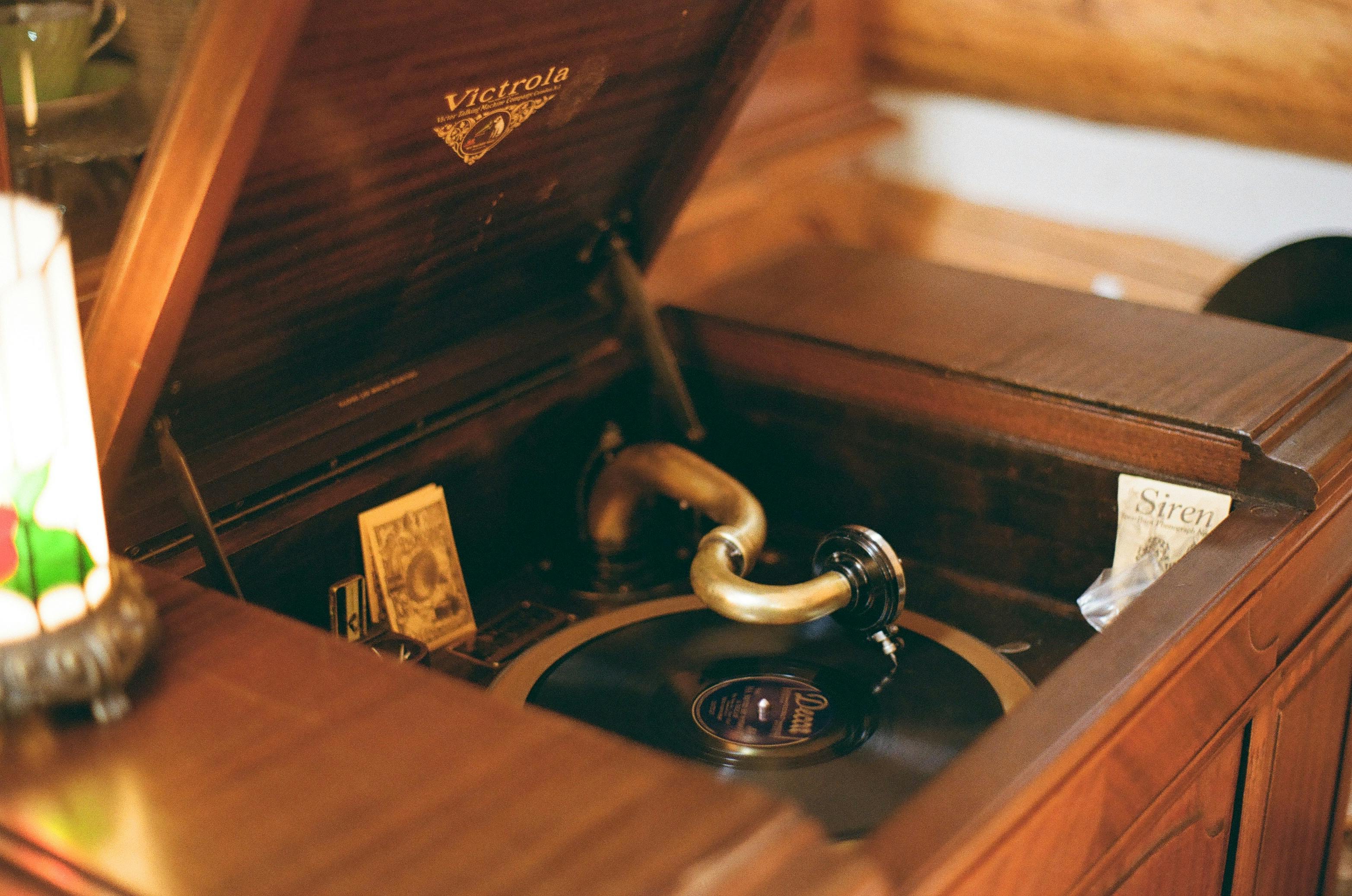
The original midcentury console record players got one major thing right: integration. They lived in the living room as furniture, and everything you needed was housed in one beautiful cabinet that anchored the space.
Magnavox, Zenith, Fisher, and Grundig built pieces that were not toys, and some models developed reputations for genuinely good sound in their era. The cabinetry was often real wood, built by craftspeople, and many of these consoles survived for decades because the furniture side was made to last.
Time, however, is not kind to electronics. Capacitors drift, wiring deteriorates, cartridges wear out, speakers lose compliance, and the overall amplification and playback chain falls behind modern expectations even when the cabinet still looks perfect.
That’s why you see the same warning repeated by vintage enthusiasts. A restored console can sound charming, but many older changers track heavily enough that they can accelerate groove wear, which makes them a risky place to play the records you care about most.
A Record Player That Actually Earns The Price
This is the tension the modern high-end console tries to resolve. People want the presence and integration of the vintage format, but they also want modern playback standards and hardware that’s built to protect records rather than slowly punish them.
https://images.pexels.com/photos/5018985/pexels-photo-5018985.jpeg

Wrensilva is the clearest example of this approach because it treats its vintage record player consoles as a piece of interior architecture first, then rebuilds the audio system underneath with current engineering. The cabinetry draws directly from midcentury tradition with hand-selected hardwood options, brushed metal legs, and proportions designed to feel like an anchor rather than an accessory, and the M1’s footprint and album storage capacity intentionally echo the scale of classic consoles.
Under the surface, the decisions are explicitly about performance. The amplification is modern and powerful, the speaker system was developed with high-level collaborators, and the turntable design incorporates multi-layer vibration isolation with a floating turntable concept intended to prevent bass feedback into the stylus, which is one of the classic problems with speakers and turntables living in the same cabinet.
The result is a console that can behave like a full contemporary system instead of a nostalgic compromise. Sonos integration and multiple listening modes allow the piece to function as a modern source hub, and the option to style the speakers with or without fabric covers lets the console read either more architectural or more textile-forward depending on the room.
Customization is where the design logic becomes especially clear. When you can specify wood species, leg finish, and speaker fabric, the console can match an existing interior palette instead of forcing the room to adapt to it, which is exactly how high-end furniture decisions are usually made.
High end isn’t the same as expensive, but the two can overlap when the cost is tied to things that actually matter. When a record player earns its price through vibration control, stable playback, and thoughtful integration into a room, it stops feeling like a gadget and starts feeling like a permanent piece of the home.
Wrensilva
+18002926353
1995 Main St, San Diego, CA 92113